Keeping a Wood Fence Alive in Middle Georgia Humidity
Wood fences don't fail all at once, they fail one damp, shaded section at a time, and most of that is preventable.
August 27, 2026 · 3 min read
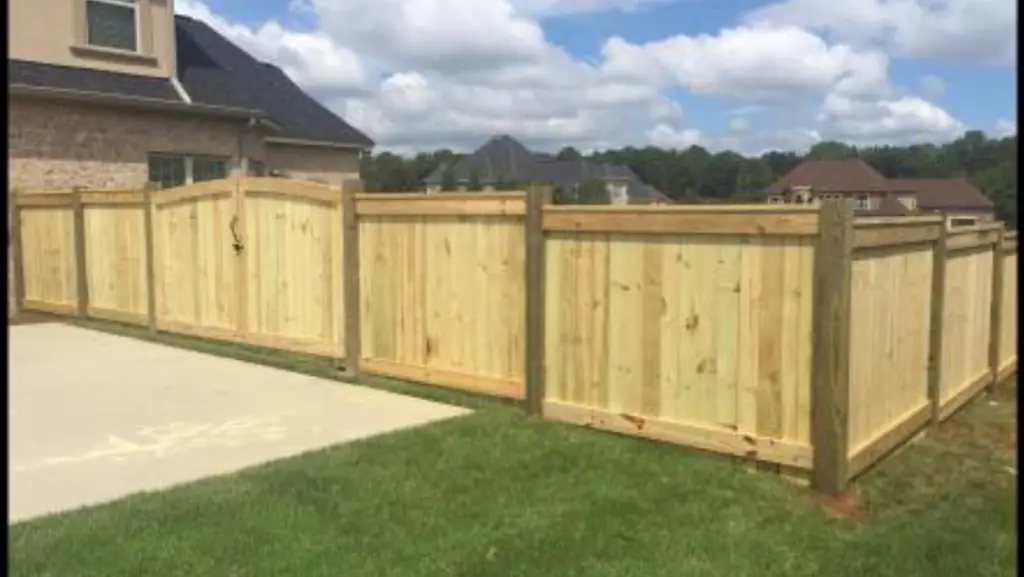
Wood is a living material even after it's cut and nailed into a fence, and middle Georgia's humidity gives it plenty to react to. Long stretches of wet heat followed by dry spells is exactly the kind of swing that makes wood expand, contract, and eventually break down faster than it would in a drier climate. None of that means wood is a bad choice, plenty of fences here last for decades, it just means a wood fence needs a little attention along the way instead of being installed and forgotten.
Staining Is Not Just About Color
A lot of people think of staining as a cosmetic choice, something to do if the fence has faded and you want it looking fresh again. That's part of it, but the bigger job stain does is seal the wood against moisture. Bare or worn wood absorbs water every time it rains and dries out again every time the sun comes out, and that repeated swelling and shrinking is what eventually cracks and splits boards. A fence that gets stained every few years, before the old coat has fully worn through, holds up noticeably longer than one that only gets attention once it already looks rough.
Airflow Matters More Than People Realize
Wood that dries out quickly after a rain lasts a lot longer than wood that stays damp. Sections of fence tucked behind heavy shrubs and plantings, shaded most of the day, or crowded by mulch piled against the boards hold moisture far longer than a run out in the open, and that's usually where rot shows up first. Pulling mulch and dense growth back a few inches from the fence line, and trimming anything that's blocking sun and airflow from a shaded stretch, does more for that section's lifespan than almost anything else you can do without spending money.
Ground Contact Is the Weak Point
Every wood fence has one predictable problem area, the point where the picket or post meets the ground. That's where moisture sits longest, where mulch and grass clippings pile up, and where rot almost always starts. Keeping that contact point clear, making sure boards aren't sitting directly in standing water after a storm, and catching soft or discolored wood early are the difference between a quick board swap and a bigger repair. Checking the bottom few inches of a run once or twice a year, especially after a wet spring, catches most problems while they're still small.
Spotting Rot Before It Spreads
- Soft or spongy wood when pressed, especially near the bottom of a board or post
- Dark staining or discoloration that doesn't match the surrounding wood
- A post that has started to lean, even slightly, which often means rot below the soil line
- Paint or stain that's peeling or bubbling rather than just fading
Why Some Sections Fail First
It's common for one stretch of an otherwise healthy fence to fail years before the rest of it, and that's rarely random. It's almost always the shadiest section, the one closest to a downspout, or the run that backs up to a low spot where water collects after a storm. Identifying why that section struggles, rather than just replacing the boards and moving on, means the replacement lasts as long as the rest of the fence instead of failing again in a few years. Sometimes the fix is drainage, sometimes it's airflow, and sometimes it really is just that the wood there took more weather than the rest.
Repair or Replace
Most wood fence problems in this climate are local to a board or two, and catching them early usually means a repair rather than a full rebuild. A single rotted picket, a leaning post, or a sagging section can typically be fixed without touching the rest of the fence, which is far less work than most people assume. It's only when rot has spread along a whole run, or several posts have gone soft below grade, that replacement makes more sense than patching. Jones Custom Fences repairs and stains fences all over Warner Robins along with building new ones, so if a section of yours is starting to look tired, it's worth a call before assuming the whole fence needs to come out at (478) 550-3824.
Jones Custom Fences, (478) 550-3824
Call (478) 550-3824More articles
Wood, Vinyl or Chain Link for a Georgia Back Yard
Every fence material does something well and something poorly, so the right choice comes down to what your yard actually needs from it.
Why Fence Gates Fail First, and What Makes One Last
A gate does more work than any other section of fence, so it needs to be built differently, not just hung on the end of the line.