What Happens Before the First Fence Post Goes In
The work that happens before the first post is dug usually decides how well the fence holds up later.
August 27, 2026 · 3 min read
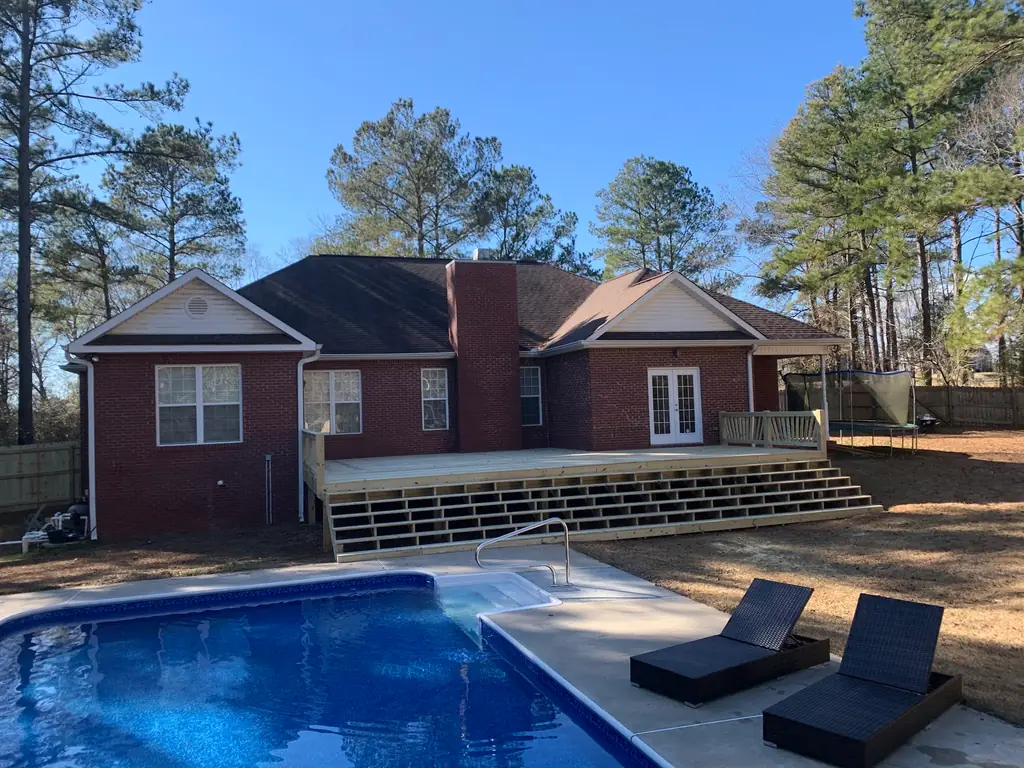
Most people picture a fence project starting with a post hole, but the digging is actually one of the last steps. Before any of that happens there's a layout to walk, a line to agree on, corners to mark, and a handful of practical questions to answer about slope, drainage and what's underground. Skipping ahead to the fun part, picking panel style and color, without settling these first is how a fence ends up with a gate that won't close right or a low corner that holds water every time it rains. Good groundwork is boring and it's also the whole reason a fence lasts.
Walking and Marking the Line
The first real step is walking the property line itself, not just eyeballing where the fence should go. Older lots in particular can have property lines that don't match up with where an old fence, a hedge row, or a mental line in someone's head actually sits. Marking the corners clearly, usually with stakes or flags, before any post holes are dug gives everyone a chance to catch a problem while it's still easy to fix. It also gives you a real look at how the line will actually run through the yard, past trees, around a shed, or along a slope, instead of how it looks on paper.
Slope and Drainage
Ground that looks flat standing in the middle of a yard often isn't, and a fence line that ignores a slope ends up with gaps under the bottom rail on one end or a section buried in dirt on the other. Good layout accounts for grade changes by planning how each section will step down the slope, whether that means racking the panels to follow the ground or stepping them in even increments. Drainage matters just as much. A fence set across a natural low spot without any thought for where rainwater goes can end up holding water against the posts every time it rains hard, which is exactly the kind of thing that shortens a post's life in Georgia clay.
What's Underground
Before any digging starts on a real project, it's worth knowing in general terms what runs underground along the line, whether that's a septic field, an irrigation line, or a buried utility. Homeowners often know more about their own yard's history than any map does, so a conversation about what's been buried, moved, or repaired over the years is part of getting the layout right. It's a lot easier to route around a problem before a hole is dug than to explain a cut line afterward. A few extra minutes spent asking questions up front almost always beats finding out the hard way once a shovel is already in the ground.
Talking to the Neighbor
A fence line often runs right along the edge of two properties, and a short conversation with the neighbor before work starts tends to save everyone a headache later. It settles questions about which side the finished face faces, whether an existing fence is coming down, and whether anyone needs to move anything on their side to make room for equipment. It costs nothing and it usually turns a fence project from a surprise into something the whole street is fine with. Most disagreements over a shared fence line trace back to nobody having that conversation in the first place, not to anything that happened during the actual build.
- Walk and mark the actual property line before any layout decisions are made
- Plan for slope with racked or stepped panels rather than fighting the grade
- Think through drainage so water has somewhere to go besides pooling at the posts
- Talk to the neighbor early if the line runs along a shared boundary
Getting It Right Before the Digging Starts
None of this is complicated, but it's easy to skip when the exciting part is picking a fence style. Eric Jones comes out and looks at the ground before quoting a job, because a lot of what makes a fence hold up starts with decisions made before a single post goes in the ground. If you're planning a project and want someone to walk the line with you and talk through slope, corners and drainage before anything is scheduled, that conversation is free. Call (478) 550-3824 to set it up.
Jones Custom Fences, (478) 550-3824
Call (478) 550-3824More articles
Wood, Vinyl or Chain Link for a Georgia Back Yard
Every fence material does something well and something poorly, so the right choice comes down to what your yard actually needs from it.
Why Fence Gates Fail First, and What Makes One Last
A gate does more work than any other section of fence, so it needs to be built differently, not just hung on the end of the line.